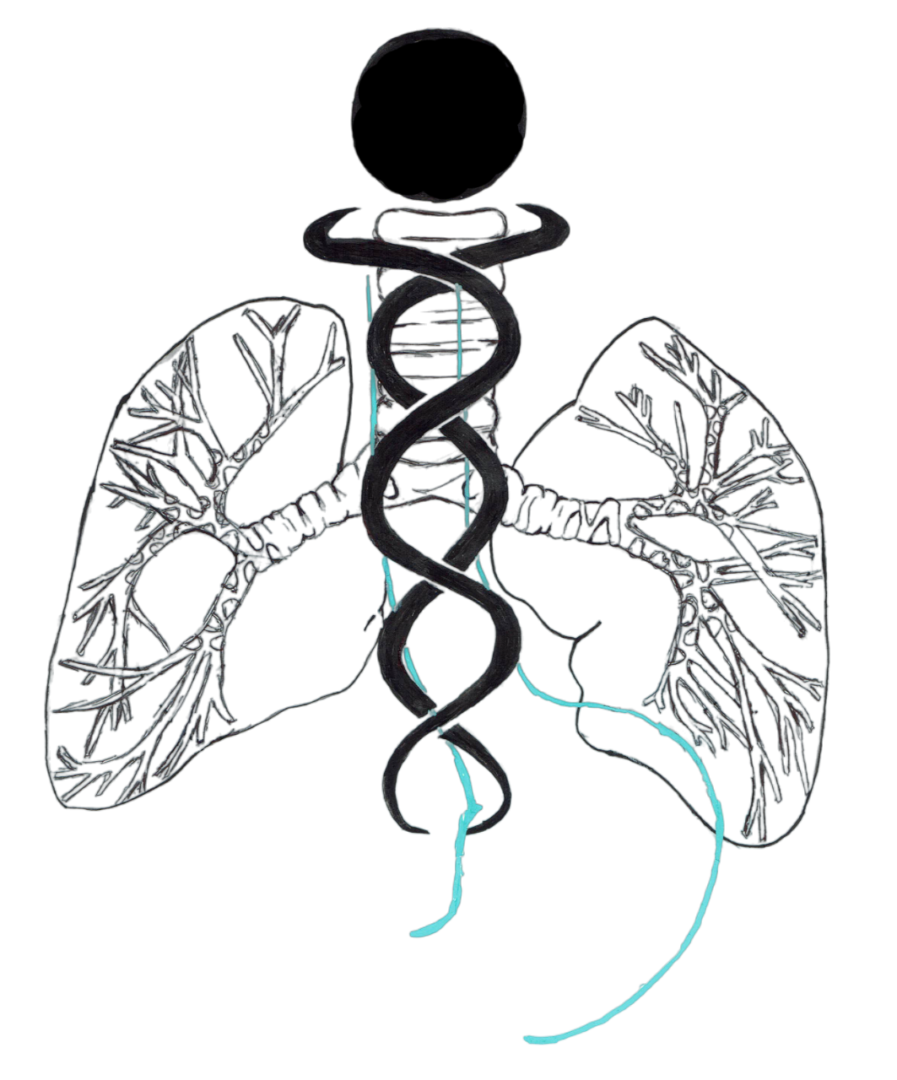
Liquid Biopsy — What Patients Should Know
A liquid biopsy is a simple blood test that looks for tiny pieces of cancer DNA in the bloodstream. It can give doctors important information about your cancer without needing a traditional tissue biopsy.
2. When Treatment Stops Working
If your current medicine isn’t working, a repeat blood test can uncover new mutations that explain why. This helps your team decide whether to switch drugs or add another treatment.
3. Oligoprogression (Only a Few New Spots)
Sometimes cancer grows in one or two places while the rest stays controlled. Liquid biopsy can hint whether the cancer is spreading widely (change medicine) or is still limited (treat the few spots and continue the current drug).
4. After Surgery or Radiation
Special tests like Guardant Reveal or Signatera can check for minimal residual disease— tiny traces of cancer left behind after treatment. A positive test means higher risk of the cancer returning; a negative test means lower risk. These results can guide whether extra treatment is needed.
5. What Liquid Biopsy Cannot Do Yet
- It does not replace low‑dose CT for lung cancer screening.
- Some cancers do not release enough DNA into the blood to be detected.
- Doctors always interpret results together with scans and other tests.
6. Why This Matters for YouLiquid biopsy is less invasive and more personal. It can speed up diagnosis, guide treatment when cancer changes, and offer early warning after surgery.