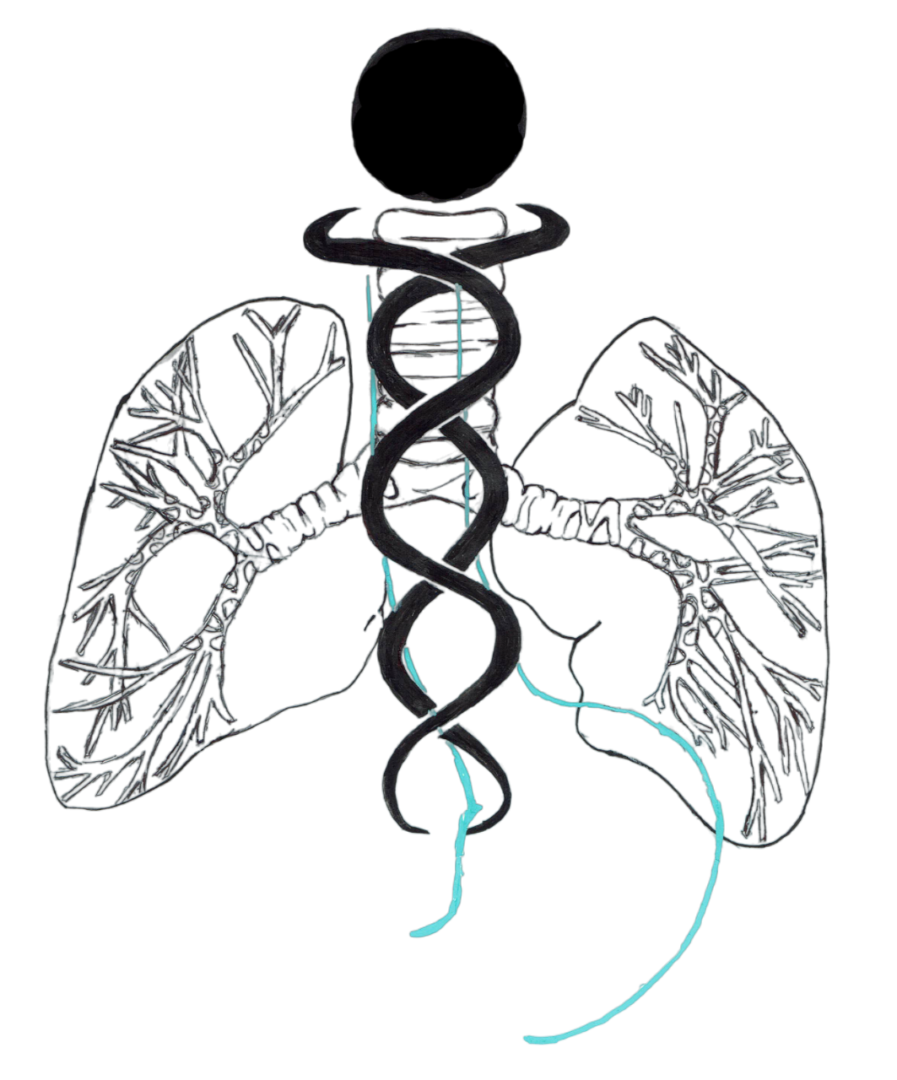
What is Thoracic Outlet Syndrome?
Thoracic Outlet Syndrome (TOS) happens when nerves or blood vessels in the space between your collarbone and first rib get “squeezed.” This can cause pain, tingling, weakness, or swelling in your arm and hand.
Think of it like a traffic jam in a very tight tunnel — too much pressure, and the nerves or blood vessels can’t work the way they should.
Types of TOS
There are three main types, depending on what’s being pressed on:
-
Neurogenic TOS (nTOS):
Most common. Nerves are pinched, causing numbness, tingling, weakness, or pain in the arm and hand. -
Venous TOS (vTOS):
A vein is squeezed, which can cause sudden swelling, heaviness, and sometimes blood clots. -
Arterial TOS (aTOS):
Rarest, but most serious. The artery is compressed, which can cause the hand to feel cold, weak, or even turn pale or blue.
Common Causes
-
An extra rib (called a cervical rib) or abnormal muscle/tissue.
-
Injury to the neck or collarbone.
-
Repetitive overhead activities (sports like baseball, swimming, or jobs with heavy lifting).
-
Poor posture or carrying heavy loads.
Symptoms to Watch For
-
Nerve-related: Tingling, numbness, weakness, “dead arm” feeling, especially in the ring and little fingers.
-
Vein-related: Arm swelling, heaviness, veins popping out, sometimes a bluish color.
-
Artery-related: Cold hand, pale or blue fingers, weak pulse, or arm pain with use.
How is TOS Diagnosed?
Doctors use:
-
Physical exam & simple maneuvers (raising arms, turning the head) to see if symptoms appear.
-
X-rays to check for extra ribs or bone changes.
-
Ultrasound or CT/MRI scans to look at blood flow and anatomy.
-
Nerve tests (EMG/NCV) if nerve damage is suspected.
Treatment Options
Conservative (non-surgical) treatments first:
-
Physical therapy (posture training, stretching tight muscles, strengthening shoulders).
-
Pain medication or nerve medication.
-
Lifestyle changes (avoiding heavy loads or overhead activities).
-
In some cases, Botox or local injections into muscles to reduce pressure.
Surgery may be needed if:
-
Symptoms don’t improve with therapy.
-
Blood clots or artery damage occur.
-
There’s a high risk of permanent nerve or vessel injury.
Surgical approaches today:
-
Traditional surgery: First rib removal through an incision in the armpit or above the collarbone.
-
Minimally invasive (VATS): Done with small chest incisions and a camera.
-
Robotic surgery: The newest approach, offering precise, 3D vision and faster recovery.
Recovery and Prognosis
-
Many people improve with physical therapy alone.
-
For those needing surgery, most see long-lasting relief of pain, swelling, or weakness.
-
Hospital stay is usually 1–3 days (shorter with minimally invasive or robotic surgery).
-
Full recovery takes weeks to a few months, with physical therapy helping restore strength and posture.
Why Choose the Robotic Approach?
At Merrimack Thoracic & Esophageal Surgery, we specialize in the robotic approach to first rib resection for Thoracic Outlet Syndrome. This state-of-the-art technique offers patients a safer, less invasive, and more precise option compared to traditional surgery.
Key Advantages of Robotic Surgery
-
Smaller Incisions, Less Pain
Robotic surgery is done through a few tiny incisions instead of a larger open cut. That means less trauma, less scarring, and reduced pain after surgery. -
3D Vision & Precision
The robotic camera gives the surgeon a high-definition, 3D view of the nerves, blood vessels, and rib. Robotic instruments move like a human hand, but with even greater precision and stability — allowing a more complete and careful removal of the first rib. -
Faster Recovery
-
Patients usually spend only 1 night in the hospital, are back to daily activities in a week or two, and return to full strength much faster than with traditional open approaches.
-
Better Long-Term
-
Safer Nerve and Vessel Handling
Because the instruments are so fine, there is less pulling or stretching of delicate nerves and blood vessels. This minimizes the risk of injury and makes recovery smoother. -
Outcomes
With a clearer view and more precise rib removal, there is less chance of leaving behind small bone fragments that could cause symptoms to come back.