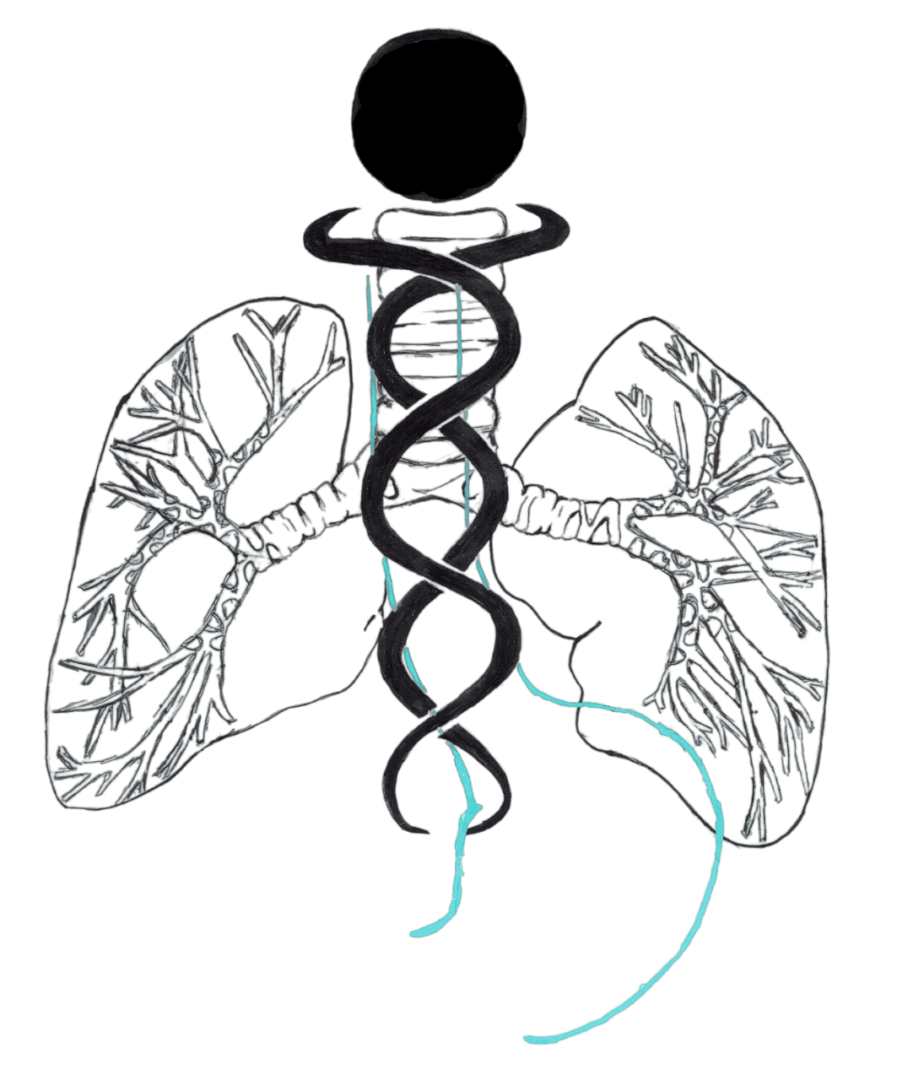
From diagnosis through recovery
Esophageal-cancer treatment is a sequence of coordinated decisions, not a single procedure.
The plan depends on tumor location, cell type, clinical stage, biomarkers, overall health, and whether the cancer can be completely removed. Our practice works closely with medical oncology, radiation oncology, gastroenterology, radiology, pathology, and nutrition.
Discuss your treatment sequenceStep 1
Confirm the diagnosis and stage
The workup commonly includes:
- Upper endoscopy with biopsy to confirm the diagnosis
- CT of the chest and abdomen
- PET/CT to look for disease outside the primary area
- Endoscopic ultrasound to assess tumor depth and nearby lymph nodes
- Needle sampling of suspicious lymph nodes when it would change treatment
- Additional testing when required by tumor location or imaging findings
Our office reviews these results and helps close gaps before the team finalizes a plan. Tumor biomarker testing may also help guide oncology treatment choices.
Step 2
Treatment before surgery
Selected very-early cancers may be treated endoscopically. Definitive chemoradiation without planned surgery is an important curative pathway for some squamous-cell cancers and for patients whose tumor or overall health makes esophagectomy unsuitable.
Many locally advanced, resectable cancers are treated before esophagectomy. Two broad surgery-directed pathways may be discussed:
| Pathway | What it means |
|---|---|
| Chemotherapy and radiation, then surgery | Chemotherapy is delivered with radiation before surgery. This remains an established option for appropriately selected resectable tumors. |
| Chemotherapy before and after surgery | For many medically fit patients with resectable, locally advanced esophageal adenocarcinoma, perioperative chemotherapy is an important option. FLOT combines fluorouracil, leucovorin, oxaliplatin, and docetaxel, with treatment planned before surgery and again after recovery. |
What does the FLOT evidence show?
In the randomized ESOPEC trial of 438 patients with resectable esophageal adenocarcinoma, three-year overall survival was 57.4% with perioperative FLOT versus 50.7% with preoperative chemoradiation, with surgery planned in both groups. These are study results, not a prediction for an individual patient or our practice’s own outcomes. Both approaches can cause substantial side effects. The choice depends on health, nutrition, tumor characteristics, and patient preferences. [3]
A key limitation: ESOPEC did not compare FLOT against the full sequence of chemoradiation, surgery, and postoperative nivolumab. It cannot establish which of those complete sequences is better. [1]
These FLOT findings do not automatically apply to squamous-cell cancer. Medical oncology, radiation oncology, and surgery select the sequence together.
Treatment at the junction of the esophagus and stomach
Some adenocarcinomas arise where the esophagus meets the stomach, called the gastroesophageal junction. For eligible adults with resectable gastric or gastroesophageal-junction adenocarcinoma, treatment may include durvalumab immunotherapy with FLOT before and after surgery, followed by durvalumab alone. This FDA-approved option is based on the MATTERHORN trial. The tumor’s precise location and other clinical features determine whether it applies; it is not a blanket treatment for every esophageal cancer. Immunotherapy can cause serious immune-related side effects. [5]
Can surgery sometimes be avoided?
After preoperative chemotherapy and radiation, some patients with no detectable cancer may discuss active surveillance with an experienced multidisciplinary team. The SANO trial supports discussing this option in carefully selected complete responders based on its two-year survival results. Those findings do not establish identical long-term outcomes. [6]
A reassuring scan alone is insufficient. Assessment and intensive follow-up involve endoscopy with biopsies, endoscopic ultrasound with sampling of suspicious lymph nodes, and PET/CT. Surgery is considered for local regrowth when appropriate. This approach requires a team able to provide repeated assessments and timely treatment. [7]
Active surveillance after a complete response is a different pathway from endoscopic treatment of very early cancer or definitive chemoradiation without planned surgery. Our office can help you discuss which options are appropriate with your treating team.
Step 3
What does esophagectomy involve?
Esophagectomy removes the cancer-bearing portion of the esophagus together with appropriate lymph nodes. The digestive tract is then reconstructed, commonly by bringing the stomach upward to create a new connection.
The operation may be performed through a traditional open approach or with minimally invasive techniques, including laparoscopic, thoracoscopic, or robotic methods. The best approach depends on tumor location and extent, previous treatment, anatomy, and the surgeon's judgment. The cancer goals remain complete tumor removal, appropriate lymph-node assessment, and safe reconstruction.
Step 4
Treatment after surgery
Final pathology helps determine whether additional treatment should be considered. A patient receiving perioperative FLOT may resume the postoperative portion after recovery when appropriate. Medical oncology reviews these decisions with the surgical team.
When immunotherapy may follow surgery
Nivolumab may be offered after surgery to patients who received chemotherapy and radiation beforehand, had the cancer removed with clear surgical margins, and still had viable cancer in the surgical specimen. Eligibility depends on prior treatment and final pathology; it is not automatic after every esophagectomy. The CheckMate 577 study demonstrated improved disease-free survival, meaning a longer time without recurrence or death, rather than a guarantee of cure. [1][4]
Step 5
Recovery and follow-up are part of the treatment
Esophagectomy requires structured, experienced follow-up. Care may include:
- Monitoring the new esophagus-to-stomach connection
- Preventing and treating pulmonary complications
- Managing swallowing difficulty, reflux, delayed emptying, or dumping symptoms
- Monitoring weight, hydration, and nutritional intake
- Managing tube feeding when a temporary feeding tube is used
- Transitioning safely back to oral nutrition
- Reviewing pathology and coordinating postoperative oncology care
- Continuing surveillance for recurrence
Our practice remains involved after the operation. We help manage recovery, tube-feeding questions, and surgical complications while coordinating with oncology, radiation oncology, gastroenterology, and nutrition services available in the Merrimack Valley and Southern New Hampshire.
Experienced, surgeon-led continuity
A surgical consultation can organize the pathway
Bring your endoscopy, pathology, and imaging information—or ask the office how to share it securely. We will review what has been completed, explain where surgery may fit, and coordinate with the other specialists involved.
Sources and further reading
Sources checked September 20, 2026. This concise guide is not a national standard, a complete guideline, or a substitute for individualized multidisciplinary care. Evidence continues to evolve.
- National Cancer Institute: Esophageal cancer treatment
- ASCO: Treatment of locally advanced esophageal carcinoma
- ESOPEC trial: Perioperative chemotherapy or preoperative chemoradiotherapy
- FDA approval summary: Adjuvant nivolumab for residual esophageal or GE-junction cancer
- FDA: Durvalumab with FLOT for resectable gastric or gastroesophageal-junction adenocarcinoma (November 25, 2025)
- SANO trial: Active surveillance versus standard surgery after chemoradiation (2025)
- SANO study group: Surveillance methods and follow-up in a secondary trial analysis (2026)